From the Book Bin: Douglas Stuart’s Quitely Devastating ‘John of John’
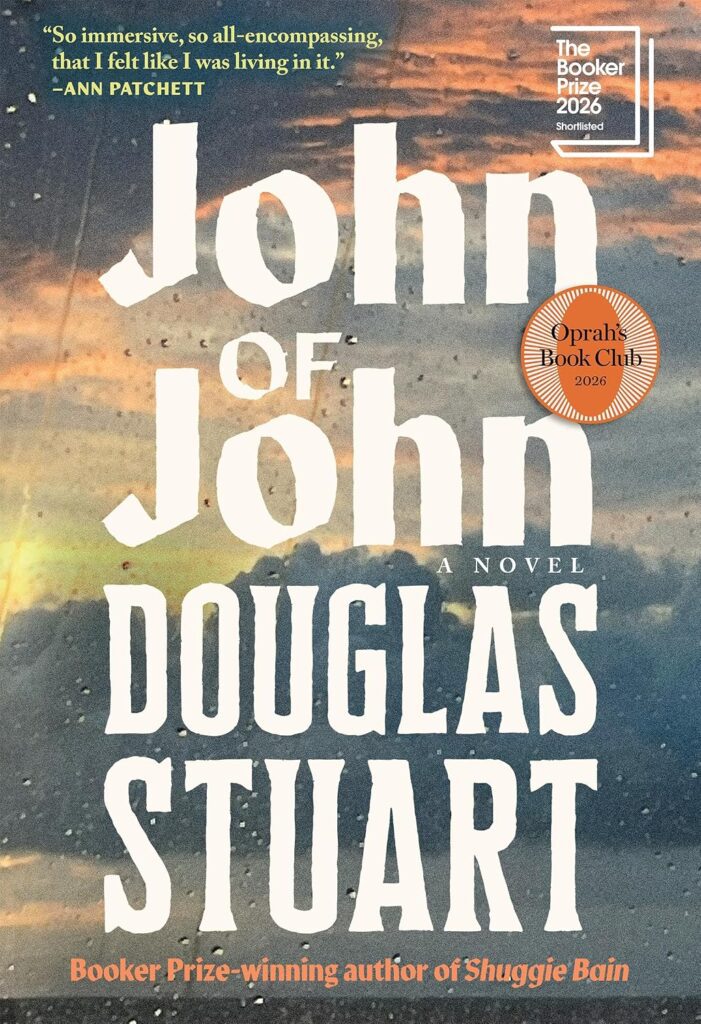
Book Review: John of John by Douglas Stuart
A story about fathers and sons, faith and shame, and the long silences that can pass for peace.
Douglas Stuart’s first two novels lived in the tenements of 1980s Glasgow. His third takes the ferry west, to the Isle of Harris in the Outer Hebrides in the late 1990s. It’s a quieter book than Shuggie Bain or Young Mungo, and in many ways a braver one.
Cal Macleod is 22, fresh out of art college in Edinburgh, and broke. Twice on Sundays and once on Wednesdays, he waits at a phone box for his father to call from Harris and sing the day’s Gaelic psalm, expecting Cal to sing it back. They don’t talk much. John mentions that Cal’s grandmother hasn’t been well; Cal keeps quiet about the men he’s sleeping with.
So Cal goes home to the croft where John raises sheep and weaves tweed. His grandmother, Ella—a Glaswegian who refuses to speak Gaelic and holds on to her profanity-laced English—turns out to be fairly vigorous, and the summons serves another purpose. On the crossing, an elderly passenger asks Cal who he belongs to, and he recites his lineage: “John of John of Ian of Ian the Breabadair.” Breabadair means weaver. On this island, you are who your father was.
The friction arrives on schedule. John is a deacon in a church that still shames backsliders in public and chains up the swings on the Sabbath. Cal has dyed his long hair, wears torn jeans, and has no interest in joining the elect in the front pews. John raises his hand to him. Cal answers a “Men Seeking Men” ad in the newspaper.
That sounds like a familiar coming-home story, but Stuart has something else in mind. The son isn’t the only one hiding. John has been fighting his own desires for years, ever since his wife Grace left him for his brother, who lives on the other side of the island. The question isn’t whether John is gay but whether either man will ever say so, and what their silence costs them both. An early moment, John gently stroking the hand of Innes, his one close friend, says more than any confession could.
Stuart builds the novel’s central image from the loom. John keeps weaving even after Cal discovers his father is allergic to wool. Every hand-woven cloth carries its maker’s signature, yet once the tweed reaches the blending shed, no one can tell father’s work from son’s. The two men spend the book insisting they’re opposites. The cloth says otherwise.
The story moves between the present and flashbacks that uncover old family secrets, and Ella—whose family holds the croft’s tenancy—turns out to have more power over the household than either man. The pace is deliberate. This is a novel of weather, chores, lambing and shearing, psalms and silences, with its drama building underneath all of it.
For older LGBTQ readers, John may be the character who stays with you. Cal’s story is one we’ve read many times: the young man who got out, found his people in the city, and now has to decide how much of himself to bring home. John’s is rarer—a man who has spent decades making himself small and built a life around not being seen. Many of us knew men like John. Some of us were him, for a while. Stuart treats him with neither contempt nor pity, and that’s the book’s real achievement.
John of John is the most mature and generous novel Stuart has written: a story about fathers and sons, faith and shame, and the long silences that can pass for peace. Read it slowly.
John of John by Douglas Stuart. Grove Press, 416 pages, $28.