LGBT Senior’s Health Beat: Clear Vision Ahead – What Seniors Need to Know About Eye Health
Clear Vision Ahead: What Seniors Need to Know About Eye Health
By Mark McNease
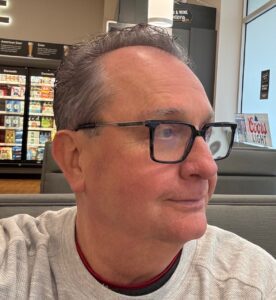
For the last twenty-five years I’ve been managing elevated intraocular pressure in my right eye, a condition my eye doctors are careful never to call glaucoma, though the pressure has consistently registered above 25 mmHg without medication, the threshold where normal eye pressure, typically between 10 and 21 mmHg, tips into concern. The current treatment for me is Latanoprost, a drop I instill in my eye once a day to keep things in check. On top of that, my eyes run chronically dry, which has made me something of an addict of over-the-counter artificial tears, used more often than I should. It’s a minor but persistent backdrop to daily life.
As we get older, our eyes change — that’s just a fact of life. But many of the conditions that threaten our vision sneak up quietly, with few or no early warning signs. The good news? Most serious vision problems are highly preventable or manageable when caught early. A little attention now can protect something you rely on every single day.
The Most Common Complaint Nobody Talks About: Dry Eyes
Dry eye syndrome affects an estimated 15 to 33 percent of older adults, making it one of the most widespread — and most underreported — eye conditions in seniors. It happens when your eyes don’t produce enough tears, or when the tears they produce evaporate too quickly.
You might notice:
- A burning or stinging sensation
- A gritty feeling, like something is in your eye
- Blurry vision that clears when you blink
- Eyes that water excessively (your body’s attempt to compensate)
- Discomfort after reading or screen time
Certain medications many seniors take can contribute to dry eye, including antihistamines, antidepressants, and some blood pressure medications. It’s worth having an honest conversation with both your prescribing doctor and your eye doctor about everything you’re taking.
What Helps With Dry Eyes
The simplest fix is often over-the-counter artificial tears, used regularly throughout the day — not just when your eyes feel uncomfortable. Preservative-free drops are gentler if you need them more than four times daily.
Other things that help:
- Drinking more water (dehydration worsens dry eyes)
- Using a humidifier, especially in winter or in air-conditioned spaces
- Taking breaks from screens — every 20 minutes, look at something 20 feet away for 20 seconds
- Wearing wraparound sunglasses outdoors to protect against wind and UV
- Eating foods rich in omega-3 fatty acids — salmon, walnuts, flaxseed
If dry eyes are severe or persistent, your eye doctor can offer prescription options or procedures like punctal plugs that help retain moisture.
Other Eye Conditions Seniors Should Know About
Age-Related Macular Degeneration (AMD)
AMD affects the central part of your vision — the part you use for reading, recognizing faces, and seeing fine detail. It’s the leading cause of vision loss in people over 60. There are two forms: dry AMD, which progresses slowly, and wet AMD, which can move fast. Early AMD often has no symptoms at all, which is exactly why routine exams matter so much.
Glaucoma
Often called “the silent thief of sight,” glaucoma typically has no pain or early warning signs. It damages the optic nerve, usually due to elevated eye pressure, and leads to peripheral vision loss first. Those with a family history of glaucoma are at higher risk. It’s easily detected during a routine exam and very manageable with eye drops or other treatment when caught early.
Cataracts
Nearly everyone develops cataracts to some degree by their 80s. You’ll notice things getting cloudy or hazy, colors seeming duller, and more glare from lights at night. Cataracts are treated with a brief outpatient surgery that’s one of the safest and most successful procedures in modern medicine.
Diabetic Eye Disease
Diabetes can cause serious damage to the blood vessels in the retina. If you have diabetes, yearly dilated eye exams aren’t optional — they’re essential. Caught early, diabetic eye disease is highly treatable. Left undetected, it can lead to significant vision loss.
Practical Tips for Protecting Your Vision
- Schedule a comprehensive dilated eye exam every one to two years after age 60, or annually if you have diabetes, glaucoma risk factors, or other conditions
- Wear UV-protective sunglasses outdoors, year-round — not just in summer
- Don’t smoke; it significantly increases the risk of cataracts and AMD
- Keep your blood pressure and blood sugar in check, as both directly affect the health of your eyes
- Tell your eye doctor your full health history, including all medications and supplements
- If you’ve been struggling to see clearly, something as simple as an updated glasses prescription can make an enormous difference in daily life
Don’t Wait for a Problem to Find You
One of the most important things to understand about eye health is that by the time you notice something is wrong, damage may already have occurred. Glaucoma, AMD, and diabetic eye disease all progress silently in the early stages. Routine exams are your best defense.
Your vision is worth protecting. A one-hour appointment could preserve the sight you rely on for everything that brings you joy — reading, travel, recognizing the faces of the people you love.